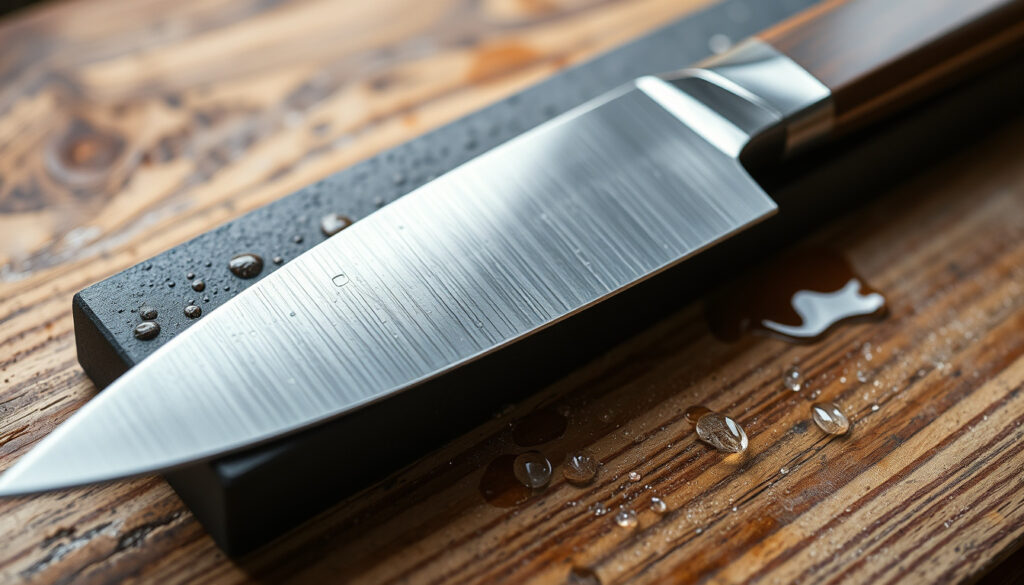
How to Sharpen a Knife – Complete Beginner’s Guide
A sharp knife is an essential tool in any kitchen, yet many home cooks struggle with dull blades that make food preparation tedious and potentially dangerous. Understanding how to sharpen a knife properly can transform your cooking experience, making slices cleaner, prep work faster, and your time in the kitchen more enjoyable. This guide covers the most effective methods, from traditional whetstone techniques to quick maintenance with a honing steel, so you can keep your blades performing at their best.
Whether you’re a beginner learning the basics or someone looking to refine your technique, knowing the right approach for your specific knives matters. Different blade types require different strategies, and using the wrong method can damage your investment. The key lies in understanding the distinction between honing and sharpening, selecting the appropriate angle for your blade, and following a consistent maintenance routine.
What Is the Best Way to Sharpen a Knife?
The most effective method for sharpening a knife depends on the blade’s condition and your level of experience. For home cooks seeking professional-quality results, a whetstone offers the greatest control and versatility. This approach removes metal systematically to create a new, precise edge rather than simply grinding away at the blade. Beginners may find pull-through sharpeners more accessible, though these tools offer less precision and can wear down blades faster over time.
Overview of Sharpening Methods
Best for precision and versatility across all knife types
Ideal for daily maintenance between sharpenings
Quick option for beginners, less precise results
Convenient for regular use, requires careful angle control
Key Insights for Sharpening Success
- Honing realigns the blade edge without removing metal, while sharpening actually removes material to create a new bevel
- Consistency in angle produces better results than pressure or speed
- Practice on inexpensive knives before working on quality blades
- A burr forming along the edge indicates you’ve reached the steel beneath the initial edge
- Alternating between sides during sharpening ensures even material removal
- Finer grits polish the edge for smoother, cleaner cuts
- Testing sharpness on paper or a tomato provides reliable feedback
Tool Comparison for Different Knife Types
| Knife Type | Recommended Angle | Best Tool | Time Needed |
|---|---|---|---|
| Japanese Chef’s Knife | 15° per side | Whetstone (1000/3000 grit) | 10-15 minutes |
| European Chef’s Knife | 17-20° per side | Whetstone or electric | 8-12 minutes |
| Pocket Knife | 17-22° per side | Whetstone with strop | 5-10 minutes |
| Bread Knife (Serrated) | Factory angle | Tapered rod sharpener | 15-20 minutes |
| Outdoor/Utility Knife | 20-22° per side | Whetstone or pull-through | 5-8 minutes |
For most home kitchens, a combination approach works best: use a quality whetstone for monthly sharpening sessions and a honing steel before each use to maintain the edge between sessions. This combination extends blade life while ensuring consistent cutting performance.
What Angle Should You Sharpen a Knife At?
The sharpening angle fundamentally determines both the sharpness and durability of your blade’s edge. Steeper angles create stronger edges that resist chipping and rolling, making them suitable for knives used for heavy chopping. Shallower angles produce finer, razor-like edges ideal for precision slicing but wear down more quickly under heavy use. Most kitchen knives fall between 15 and 20 degrees per side, though this varies by blade origin and intended purpose.
Finding Your Knife’s Factory Angle
Before establishing a new angle, identifying your knife’s existing bevel saves time and prevents unnecessary material removal. Lay the blade flat on your whetstone with the edge facing away from you. Slowly raise the spine while gently sliding the edge across the stone until you feel even contact along the entire edge. The angle at which this contact occurs matches your factory bevel. This technique works particularly well for finding the starting point when sharpening without specialized tools.
The 90-Degree Method for Angle Consistency
Maintaining a consistent angle throughout sharpening requires practice, and beginners often struggle with muscle memory. The 90-degree halving method provides a reliable reference point. Hold your knife perpendicular to the steel, which represents 90 degrees. Halve this angle to approximately 45 degrees by lowering the spine. Halve again to roughly 22.5 degrees. For most kitchen knives, lowering slightly more to approximately 15-20 degrees per side gives optimal results. This technique works equally well for honing steel positioning.
Lower angles between 10-15 degrees per side create exceptionally sharp edges suited for slicing tomatoes or fresh bread. Higher angles up to 22 degrees provide increased durability for bones, frozen foods, or heavy-duty chopping tasks. Kitchen chef knives typically perform best at 15-20 degrees per side.
How Often Should You Sharpen Your Knives?
The frequency of sharpening depends on usage patterns, blade quality, and the foods you typically prepare. A knife used daily in a busy household kitchen may need full sharpening every one to three months. Less frequent use extends this timeline considerably. The most reliable indicator that sharpening is needed comes from the blade itself: when it no longer cuts paper smoothly or slides through tomatoes with resistance, the edge has dulled beyond what honing can restore.
Daily Maintenance with Honing Steel
Honing should occur before every significant use or at minimum daily for regular kitchen knives. This practice realigns the microscopic edge that bends during normal cutting without removing steel. A properly maintained edge through regular honing extends the time between full sharpening sessions significantly. The process takes only a minute but dramatically impacts long-term blade performance and longevity.
Recognizing When Sharpening Is Needed
- Blade slides off foods rather than cutting cleanly
- Requires excessive pressure to complete cuts
- Produces torn or crushed edges on vegetables instead of clean slices
- Fails the paper test by catching or tearing rather than slicing smoothly
- Edge appears rolled or folded when examined under bright light
- Honing steel no longer restores the edge to satisfactory performance
Essential Tools for Home Sharpening
Building a basic sharpening kit requires minimal investment but enables professional-quality results. A combination whetstone with coarse and fine sides (typically 1000/6000 grit) handles most home sharpening needs effectively. An angle guide helps beginners maintain consistency during the learning phase. A marker for marking the bevel during practice allows you to verify your technique is hitting the right spot. A towel or non-slip mat stabilizes the stone during use, and cut-resistant gloves provide safety during the learning process.
How to Sharpen a Serrated Knife?
Serrated knives present unique challenges that standard flat-stone methods cannot address. The scalloped edge of a bread knife or serrated utility blade requires individual attention to each tooth or gullet. Unlike straight-edged knives that can be sharpened uniformly across the entire blade, serrated edges demand a different approach that preserves the saw-tooth geometry that makes them effective.
The Correct Tool for Serrated Edges
Flat whetstones and traditional honing steels cannot properly maintain serrated edges and may actually damage the teeth. A tapered sharpening rod designed specifically for serrated knives fits into the gullets between teeth, allowing you to hone each serration individually. These tools match the original factory angle when used correctly, preserving the knife’s cutting characteristics while restoring dulled edges.
Specialized Serrated Knife Sharpeners
Maintenance frequency for serrated knives differs from standard blades. Because each tooth performs less work than a continuous edge would, serrated knives stay sharp considerably longer. Most bread knives and serrated utility knives need attention only every six to twelve months, depending on usage. Over-honing poses a genuine risk with these blades, as removing too much material from the teeth permanently destroys the serration pattern.
Never use a flat sharpening stone on a serrated knife, as this will round the points and destroy the cutting effectiveness. Match your technique to the factory angle by examining the existing bevel under magnification if possible. When in doubt, seek professional sharpening services for valuable or specialty serrated knives.
Safety Considerations for Home Knife Sharpening
Sharpening involves handling extremely sharp objects under controlled pressure, and proper safety practices prevent serious injuries. Always secure your sharpening stone or steel on a non-slip surface before beginning. Cut away from your body rather than toward yourself, and maintain light pressure throughout the process. Pressing too hard grinds the metal unevenly and increases the risk of the knife slipping. Beginners should consider wearing cut-resistant gloves during practice sessions until confidence and control improve.
Step-by-Step Whetstone Sharpening Process
Understanding the whetstone sharpening sequence prepares you for actual practice and helps establish realistic expectations. Each stage builds upon the previous one, creating a methodical approach that produces consistent results with practice. Professional sharpeners follow similar sequences regardless of their experience level, adapting pressure and stroke count based on blade condition.
- Soak your waterstone in water for 10-15 minutes until no bubbles rise from the surface
- Place the stone on a stable, non-slip surface with the coarse side facing up
- Identify your blade’s factory angle using the flat-to-raised technique
- Apply light pressure and push the blade from heel to tip along one side, counting strokes
- Continue until a burr forms consistently along the entire edge length
- Flip the blade and repeat on the opposite side until matching burr forms
- Alternate sides, approximately 5-10 strokes per side, to remove the burr
- Rinse the blade and progress to the medium grit stone
- Repeat the sharpening sequence at each grit level
- Finish with fine grit using very light alternating strokes
- Test sharpness by slicing through paper or a ripe tomato
- Clean the blade thoroughly and store properly
Expect to need 10-20 practice sessions before developing reliable angle consistency. Imperfect early attempts still yield sharper results than leaving knives dull, so don’t be discouraged by initial inconsistency.
Understanding What We Know and What Remains Unclear
| Established Information | Information That Remains Unclear |
|---|---|
| Standard angles (15-20° per side) work effectively for approximately 90% of kitchen knives | Optimal frequency varies significantly based on individual cutting boards and usage patterns |
| Whetstone sharpening removes metal while honing only realigns the edge | Long-term effects of different sharpening methods on specific steel alloys |
| Burr formation indicates when sufficient material has been removed | Precise grit sequences for different steel hardness levels |
| Daily honing extends time between full sharpening sessions | Ideal maintenance routines for specialty or exotic blade steels |
Why Proper Knife Sharpening Matters
Dull knives pose greater safety risks than sharp ones in most kitchen scenarios. When a blade cannot cut cleanly, users apply excessive force, which increases the likelihood of the knife slipping and causing serious cuts. A sharp knife actually guides itself through food more predictably, reducing hand fatigue and improving control. Beyond safety considerations, sharp knives preserve the visual appeal and nutritional quality of prepared foods by creating clean cuts that seal in juices and prevent cell damage.
Professional chefs consistently emphasize that properly maintained knives make cooking more enjoyable and efficient. The investment in learning proper sharpening technique pays dividends in food quality, kitchen safety, and the longevity of your blade collection. Quality knives represent significant investments that deserve appropriate care to maintain their performance over years of regular use.
The difference between a dull and sharp knife is not just about cutting performance—it’s about control, safety, and respect for your tools.
Summary: Building Your Sharpening Practice
Mastering knife sharpening requires understanding the distinction between honing and sharpening, selecting appropriate angles for your blade types, and establishing consistent maintenance routines. Begin with a quality whetstone and practice on less expensive knives before working on your best blades. Develop the habit of honing before each use and full sharpening only when necessary. For serrated knives, use appropriate tapered tools and respect the preservation priority that maintains their unique cutting ability.
Proper technique and consistent practice yield professional-quality results at home. While initial attempts may feel awkward, every session develops the muscle memory and control needed for consistently sharp edges. Consider exploring related topics like proper knife storage techniques to complete your kitchen tool care routine, ensuring your investment stays protected and performing at its best.
Frequently Asked Questions
Can you sharpen a knife without a sharpener?
Yes, a whetstone or even a ceramic mug bottom can work in emergencies. The whetstone method produces superior results, but freehand sharpening on any abrasive surface removes metal to create an edge. Use the flat-to-raised technique to find your angle and practice consistency over multiple sessions.
What is the difference between honing and sharpening?
Honing realigns a bent or rolled edge without removing metal, while sharpening actually removes steel to create a new bevel. Honing is for maintenance and should be done frequently, while sharpening is needed only when the edge is damaged or worn beyond what honing can restore.
How do you use a honing steel correctly?
Hold the steel vertically with the tip resting on a cutting board for stability. Angle the knife at 15-20 degrees and swipe from heel to tip, alternating sides with 6-8 strokes per side. Use light pressure and let the steel do the work rather than forcing the blade against it.
Is it safe to sharpen knives at home?
Home sharpening is safe when proper precautions are followed. Secure all tools to prevent slipping, cut away from your body, maintain light pressure, and consider wearing cut-resistant gloves during practice. Sharpening produces sharper results than leaving knives dull, which actually increases injury risk.
What angle should you sharpen kitchen knives at?
Most kitchen knives perform best at 15-20 degrees per side. Japanese-style knives typically use the lower 15-degree angle, while European knives often work well at 17-20 degrees. Higher angles up to 22 degrees suit heavy-duty tasks that require more durability.
How often should you hone your knives?
Hone your knives before each significant use or daily if you cook regularly. This quick maintenance step takes about a minute per knife and significantly extends the time between necessary sharpening sessions, preserving blade material and maintaining consistent cutting performance.
More related posts
 TD Bank EasyWeb Login – Official Guide and Troubleshooting
 Meat Shop Near Me – Top Clarksville Butchers Guide
 What Is Open On Canada Day – Toronto GTA Hours Guide 2024
 Federal Payment Canada $300: Eligibility and Dates
 You TV Series: Season 5, Plot, Cast, and Review
 Cotelette de Porc au Four – Juicy Oven Recipe Guide
 Kristi Noem Net Worth – Salary, Ranch and Assets
 The Diplomat Season 3: Release Date, Episodes, Cast & Ending