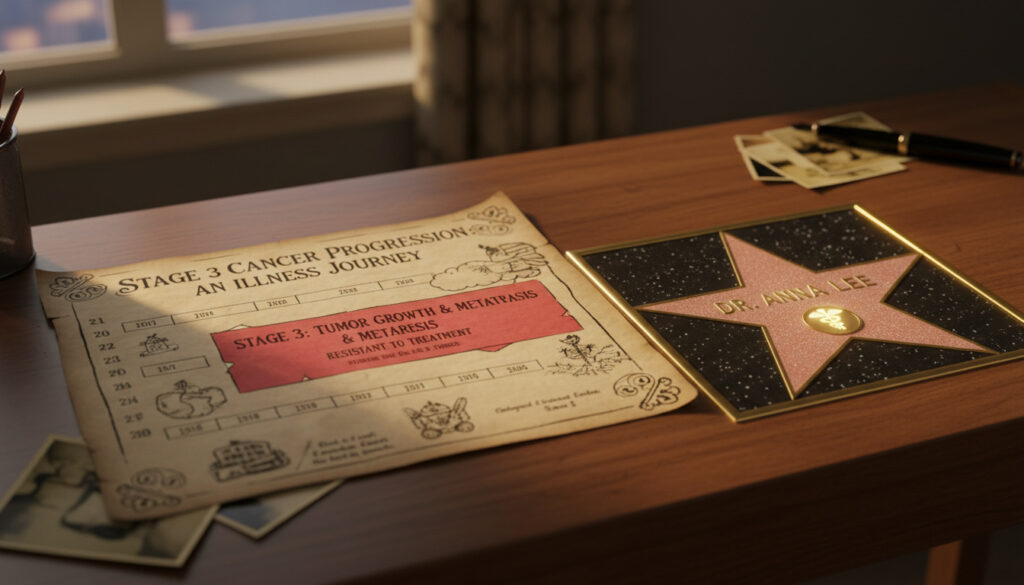
James Van Der Beek Illness – Stage 3 Cancer Timeline and Legacy
James Van Der Beek, the actor who became a household name portraying Dawson Leery on the 1990s teen drama “Dawson’s Creek,” died on February 11, 2026, at age 48 following a battle with stage 3 colorectal cancer. His death came less than three years after doctors identified the disease during a routine screening, a diagnosis that initially shocked the performer given his rigorous fitness regimen and apparent good health.
Van Der Beek received his diagnosis in August 2023 at age 46, placing him among a growing demographic of younger adults facing early-onset colorectal cancer. The condition has seen incidence rates nearly double among younger populations over recent decades, transforming what was traditionally considered an older adult’s disease into an urgent health concern for those in their 40s and younger.
During the final years of his life, Van Der Beek transitioned from patient to advocate, publicly sharing intimate details of his physical decline and emotional struggle while partnering with medical organizations to emphasize the life-saving potential of early detection. His candid disclosures offered rare visibility into how cancer disrupts not just physical health, but fundamental aspects of identity and family dynamics.
What Illness Did James Van Der Beek Have?
Medical professionals diagnosed Van Der Beek with stage 3 colorectal cancer following a colonoscopy in August 2023. Healthline reported that the actor expressed disbelief upon learning his condition, noting his dedication to cold plunge therapy and cardiovascular fitness had convinced him of his immunity to serious disease. The stage 3 classification indicated the cancer had spread to nearby lymph nodes or tissues, though specific details regarding metastasis were not publicly disclosed.
Key insights from Van Der Beek’s medical journey include:
- Atypical presentation: Despite exceptional physical conditioning, the disease progressed to stage 3 without causing debilitating early symptoms.
- Early-onset classification: Diagnosis at age 46 falls into the early-onset category, defined as colorectal cancer occurring before age 50.
- Subtle initial signs: Changes in bowel habits, initially mistaken for dietary sensitivity, served as the only warning before diagnosis.
- Screening gap: Van Der Beek admitted unawareness that recommended screening ages had lowered to 45, Fox News documented.
- Advocacy pivot: He partnered with Guardant Health to promote blood-based screening technologies.
- Rising demographic trend: His case exemplified statistics showing early-onset rates climbing from 4.8 to 10.1 per 100,000 between 1994 and 2021.
| Specific Condition | Colorectal adenocarcinoma (Stage 3) |
|---|---|
| Date of Diagnosis | August 2023 |
| Patient Age at Diagnosis | 46 years |
| Public Disclosure Date | November 3, 2024 |
| Date of Death | February 11, 2026 |
| Age at Death | 48 years |
| Primary Symptom | Altered bowel movements |
| Diagnostic Method | Colonoscopy with biopsy |
| Cancer Category | Early-onset (pre-50) |
| Screening Partner | Guardant Health |
When Did James Van Der Beek Announce His Cancer Diagnosis?
Van Der Beek publicly disclosed his condition on November 3, 2024, through social media platforms, Cancer Therapy Advisor confirmed. This announcement came more than a year after his initial diagnosis, reflecting a period of private medical management and family adjustment.
What Symptoms Led to James Van Der Beek’s Diagnosis?
The actor first experienced changes in bowel movements that he attributed to his coffee consumption habits. Our Cancer Stories reported his recollection: “I thought maybe I needed to stop coffee or maybe not put cream in the coffee. But when I cut that out and it didn’t improve, I thought, ‘All right, I better get this checked out.'” He later emphasized to Healthline that “there wasn’t any red flag or something glaring,” illustrating how easily early colorectal cancer avoids detection.
How Did Doctors Confirm the Cancer?
Following the persistence of symptoms beyond dietary modifications, Van Der Beek underwent a colonoscopy in August 2023. The procedure revealed malignancy classified as stage 3, indicating regional spread. Medical documentation confirmed the diagnosis contradicted his perceived health status, as the actor maintained rigorous physical conditioning including cold plunge therapy and intensive cardiovascular training.
Van Der Beek’s experience demonstrates that stage 3 colorectal cancer can exist without dramatic symptoms. Medical guidelines now recommend screening begin at age 45 for average-risk adults, a reduction from the previous threshold of 50 that the actor admitted he had not known about prior to his diagnosis.
What Was James Van Der Beek’s Health Status Before His Death?
Following his diagnosis in 2023, Van Der Beek initially described himself as “very cautiously optimistic” regarding treatment outcomes, Our Cancer Stories noted. However, specific treatment protocols including chemotherapy regimens, radiation therapy, or surgical interventions were not publicly detailed. His health visibly declined over subsequent months, culminating in his death on February 11, 2026.
How Did the Diagnosis Affect His Family Role?
In a March 8, 2025 Instagram post marking his 48th birthday, Van Der Beek detailed the psychological devastation of his condition. He described confronting mortality directly: “I had to come nose to nose with death, and all those definitions that I cared so deeply about were stripped from me.” He specifically noted his inability to fulfill traditional roles: “I could no longer be a husband who was helpful to my wife. I could no longer be a father who could pick up his kids and put them to bed.”
What Was His Final Public Health Update?
The March 2025 reflection represented his most candid disclosure regarding disease progression. He acknowledged fundamental shifts in his self-conception, moving from provider to dependent. Sources did not indicate remission or significant improvement following this date, and he died approximately eleven months later at age 48.
Van Der Beek identified accepting assistance as his greatest challenge, stating he had “never asked for help” prior to illness. His realization that he had “been wronging them of the opportunity to show up” highlights how serious diagnoses force renegotiation of family dynamics and personal identity.
What Did James Van Der Beek Say About His Experience?
Throughout his illness, Van Der Beek provided unvarnished accounts of both physical deterioration and psychological adaptation. His statements emphasized the dissonance between physical appearance and internal disease, alongside the necessity of community support during medical crises.
How Did He Describe the Shock of Diagnosis?
Confronting the contradiction between his fitness level and cancer stage, Van Der Beek told Healthline: “I was healthy. I was doing the cold plunge. I was in amazing cardiovascular shape, and I had stage 3 cancer, and I had no idea.” This testimony underscored how early-onset colorectal cancer frequently presents in physically fit individuals without obvious risk factors.
What Was His Message About Screening?
As an advocate, Van Der Beek emphasized survival rate disparities between stages. “I really want people to understand that [when found] in the early stages, the survival rates skyrocket,” he stated through Guardant Health partnerships. He specifically addressed the updated screening guidelines, expressing surprise that the recommended age had dropped to 45 rather than 50.
Medical data shows early-onset colorectal cancer rates nearly doubled between 1994 and 2021, climbing from 4.8 to 10.1 cases per 100,000 people. Van Der Beek’s case at age 46 exemplifies this disturbing demographic shift away from traditional senior populations.
What Is the Complete Timeline of James Van Der Beek’s Cancer Journey?
- : Van Der Beek notices persistent changes in bowel movements, initially attributing symptoms to dietary factors or coffee consumption.
- : After eliminating coffee and cream from his diet without symptom resolution, he decides to seek medical evaluation.
- : Undergoes diagnostic colonoscopy, receiving confirmation of stage 3 colorectal cancer at age 46.
- : Publicly discloses diagnosis via social media, revealing more than a year of private treatment.
- : Posts emotional birthday reflection on Instagram describing identity loss and family role disruption.
- : Dies at age 48 following prolonged battle with the disease.
What Remains Known and Uncertain About His Illness?
| Established Facts | Undisclosed Details |
|---|---|
| Stage 3 colorectal cancer confirmed August 2023 | Specific chemotherapy agents or radiation protocols used |
| Death occurred February 11, 2026, at age 48 | Whether he achieved temporary remission at any point |
| Initial symptoms limited to bowel movement changes | Exact lymph node involvement or metastatic sites |
| Announced diagnosis publicly November 3, 2024 | Specific cause of death (e.g., organ failure, obstruction) |
| Partnered with Guardant Health for advocacy | Financial aspects of treatment beyond general acknowledgment of costs |
| Expressed cautious optimism initially regarding treatment | Final wishes or advance care directives |
Why Did James Van Der Beek’s Case Surprise Medical Observers?
Van Der Beek’s diagnosis at 46 highlighted the evolving epidemiology of colorectal cancer, which has shifted dramatically toward younger patients over three decades. The documented increase from 4.8 to 10.1 cases per 100,000 people between 1994 and 2021 reflects a 110% rise in early-onset diagnoses. His status as a physically active celebrity with no apparent lifestyle risk factors challenged assumptions that fitness provides immunity to gastrointestinal malignancies.
The case also demonstrated the insidious nature of stage 3 disease, which can exist without pain, weight loss, or visible bleeding. Van Der Beek’s ability to maintain cold plunge routines and cardiovascular conditioning while harboring advanced cancer illustrated how Why Is Biodiversity Important internal biological processes may remain hidden despite external wellness markers. Medical professionals increasingly recognize that functional fitness does not necessarily correlate with cellular health.
What Did Primary Sources and Medical Experts Confirm?
“I was healthy. I was doing the cold plunge. I was in amazing cardiovascular shape, and I had stage 3 cancer, and I had no idea.”
— James Van Der Beek, Healthline interview
“I had to come nose to nose with death, and all those definitions that I cared so deeply about were stripped from me. I could no longer be a husband who was helpful to my wife. I could no longer be a father who could pick up his kids and put them to bed and be there for them.”
— James Van Der Beek, Instagram March 2025
“I really want people to understand that [when found] in the early stages, the survival rates skyrocket.”
— James Van Der Beek, Guardant Health advocacy partnership
What Defines James Van Der Beek’s Cancer Legacy?
James Van Der Beek’s death from stage 3 colorectal cancer at age 48 underscores the critical importance of lowering screening ages and recognizing subtle symptoms in younger adults. His transformation from reluctant patient to vocal advocate generated awareness about early-onset cases, potentially motivating screening among demographics traditionally considered low-risk. While his particular outcome proved fatal, his public disclosures regarding the psychological dimensions of serious illness—particularly the difficulty of surrendering family provider roles—offer valuable insight for patients facing similar prognoses. Those seeking to understand preventive health measures may also consider exploring What Are the 10 Commandments regarding foundational wellness principles.
Frequently Asked Questions
What were James Van Der Beek’s first cancer symptoms?
He experienced changes in bowel movements that he initially attributed to coffee consumption. When dietary modifications failed to resolve the issue, he sought medical evaluation.
What stage cancer did James Van Der Beek have?
He was diagnosed with stage 3 colorectal cancer in August 2023, indicating the disease had spread to nearby lymph nodes or tissues.
When did James Van Der Beek die?
The actor died on February 11, 2026, at age 48, approximately two and a half years after his initial diagnosis.
How did James Van Der Beek discover his cancer?
He discovered it through a colonoscopy performed in August 2023 after noticing persistent bowel changes that did not respond to dietary adjustments.
What is early-onset colorectal cancer?
Early-onset colorectal cancer refers to diagnoses occurring before age 50. Rates have nearly doubled since 1994, with Van Der Beek’s case at age 46 exemplifying this trend.
Did James Van Der Beek achieve remission?
Available sources do not indicate he achieved remission. He died in February 2026 following his 2023 diagnosis, though specific treatment outcomes during the intervening period were not publicly detailed.
What screening age did James Van Der Beek advocate for?
He advocated for screening beginning at age 45, expressing surprise that guidelines had lowered from 50. He partnered with Guardant Health to promote awareness of these updated recommendations.
How did James Van Der Beek’s illness affect his career?
He stated he could not work as a provider during active treatment, and his family moved from California to Texas during his illness to manage medical care and family needs.
More related posts
 Can Dogs Eat Peanuts? Safety, Serving Sizes & Key Risks
 Doug and the Slugs: 80s Vancouver Band History, Hits & Doug Bennett
 Canada Bank Interest Rates 2026: BoC Rate & Savings Guide
 Justin Rose Golfer: Age, Wife, Children, Net Worth, and More
 You TV Series: Season 5, Plot, Cast, and Review
 Paris SG – Auxerre – Results, Highlights and Stats
 Translate English to Mandarin: Google Translate vs DeepL
 Dallas Cowboys vs Carolina Panthers Match Player Stats (Oct 2025)